Why Obesity Is Rising Faster Than Ever in 2026 - And What Most People Still Don’t Realize
Obesity is no longer just about overeating. In 2026, ultra-processed foods, stress, poor sleep, screen-heavy lifestyles, and hidden metabolic damage are driving a global health crisis. Here’s what’s really happening - and how smarter lifestyle awareness can change the future.
Author
AllObesity
Obesity Is No Longer Just a “Weight Problem”
For years, obesity was treated as a simple equation:
Eat less. Move more.
But in 2026, health experts across the world are warning that the reality is far more complex.
Today’s obesity crisis is being driven by a combination of ultra-processed foods, sedentary lifestyles, stress, poor sleep, screen addiction, emotional eating, and hidden metabolic dysfunction. Even more concerning — many people developing serious metabolic issues don’t always “look obese” externally.
India, in particular, is seeing a rapid rise in obesity-related conditions like:
Type 2 diabetes
Fatty liver disease
High blood pressure
PCOS
Heart disease
Insulin resistance in younger adults
And the trend is accelerating among teenagers and children as well.
The Real Driver: Ultra-Processed Foods
Your AI health companion
Join mySutra.ai and start healthy living today
Personalized wellness guidance, smarter habits, and support for the life you want to live.
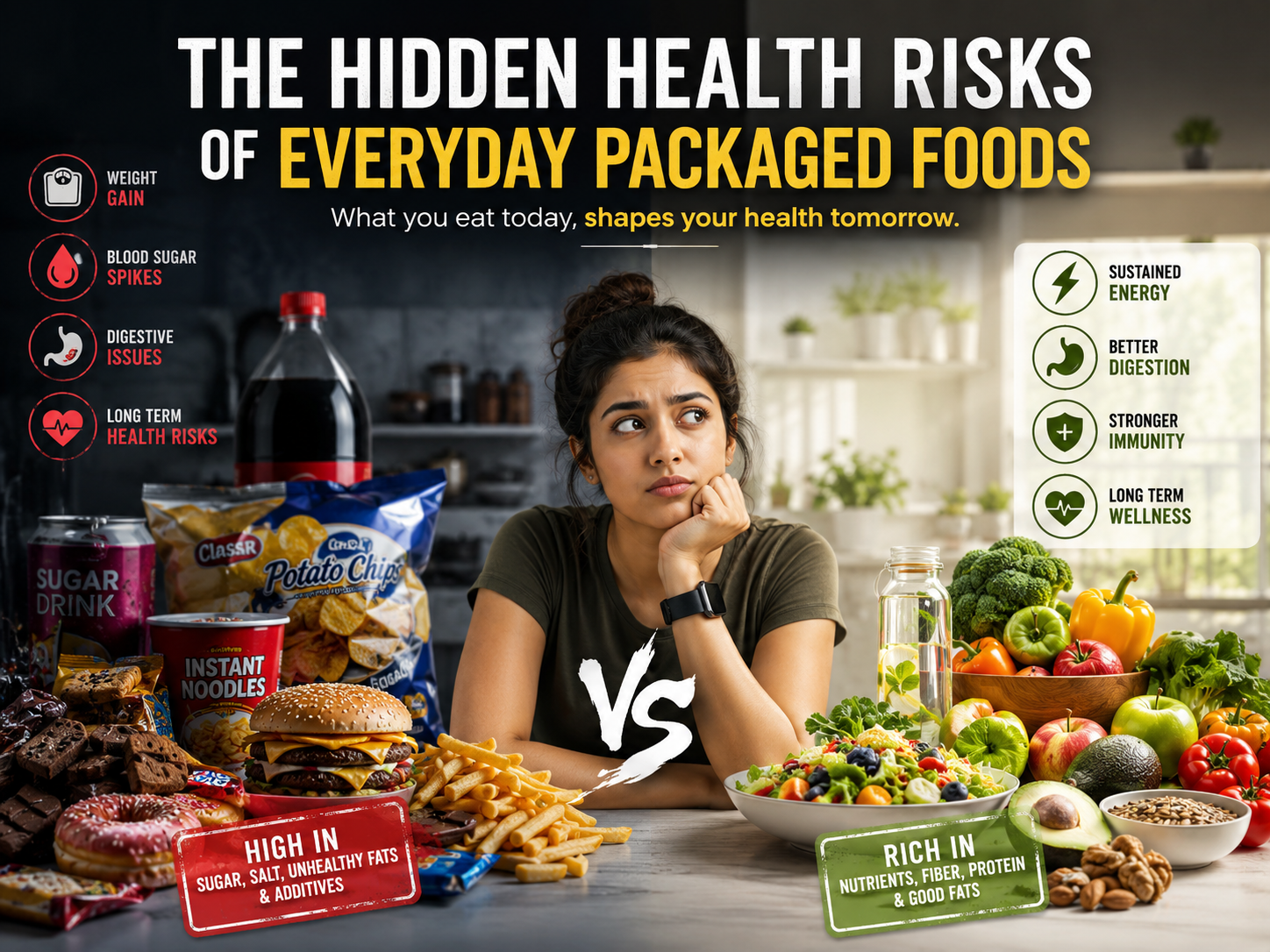
One of the biggest health concerns in 2026 is the explosive growth of ultra-processed foods (UPFs).
These include:
Packaged snacks
Sugary drinks
Instant noodles
Frozen ready meals
Processed meats
Sweetened cereals
High-additive “diet” foods
Research increasingly links high UPF consumption with obesity, abdominal fat accumulation, diabetes, and cardiovascular disease.
Recent studies also found adolescents consuming high levels of ultra-processed foods had significantly higher odds of becoming overweight or obese.
The problem is not just calories.
These foods are engineered for:
hyper-palatability,
convenience,
longer shelf life,
repeated cravings,
and overconsumption.
They often contain excessive sugars, refined starches, unhealthy fats, sodium, emulsifiers, and additives that can disrupt metabolism and gut health over time.
Modern Lifestyle Is Quietly Rewiring Human Health
The average lifestyle today looks dramatically different from even 15 years ago.
People now spend:
more time sitting,
more time on screens,
less time walking,
less time cooking,
and less time sleeping properly.
Stress levels are higher. Meal timings are irregular. Physical movement has dropped sharply.
This combination creates the perfect environment for metabolic dysfunction.
What makes this dangerous is that obesity often develops slowly and silently.
Many people ignore early warning signs like:
constant fatigue,
increased belly fat,
sugar cravings,
poor sleep,
brain fog,
or low energy after meals.
By the time symptoms become serious, metabolic damage may already be progressing internally.
Why “Skinny Fat” Is Becoming More Common
A growing number of people today appear normal-weight externally but still carry dangerous levels of visceral fat internally.
This condition is sometimes referred to as:
skinny fat,
TOFI (Thin Outside, Fat Inside),
or metabolically unhealthy normal weight.
Experts warn that many Indians are especially vulnerable due to higher metabolic risk at lower BMI levels.
This means someone can:
appear slim,
have normal weight,
yet still develop insulin resistance, fatty liver, or prediabetes.
That is why health can no longer be judged only by body weight.
Lifestyle patterns matter more than ever.
Children Are Entering the Obesity Crisis Earlier
Perhaps the most worrying trend is childhood obesity.
Doctors are now seeing:
insulin resistance in teenagers,
fatty liver in children,
rising inactivity,
excessive screen exposure,
and increasing dependency on processed foods at very young ages.
Many children today grow up with:
less outdoor activity,
more digital entertainment,
highly marketed packaged foods,
and disrupted sleep schedules.
The long-term consequences could reshape public health over the next decade.
Obesity Is Also Becoming a Technology Problem
The future of obesity management is shifting toward AI-driven preventive healthcare.
New research is exploring:
wearable-based lifestyle monitoring,
AI food analysis,
activity tracking,
personalized metabolic insights,
and behavior-based health interventions.
Instead of reacting after disease develops, modern health systems are increasingly focusing on:
early detection,
continuous lifestyle awareness,
and sustainable habit correction.
This shift may become critical as healthcare systems struggle to handle the growing burden of lifestyle diseases globally.
The Solution Is Not Extreme Dieting
Crash diets and unrealistic transformations rarely work long-term.
What actually matters is:
sustainable eating patterns,
consistent movement,
sleep quality,
stress management,
healthier food awareness,
and gradual behavior improvement.
Small daily improvements create lasting metabolic change.
That is why the future of health is moving toward personalized lifestyle intelligence — understanding how real people eat, move, sleep, and live before giving recommendations.
Final Thoughts
Obesity in 2026 is not simply about body size.
It reflects how modern lifestyles, food systems, stress, technology, and daily habits are reshaping human health.
The challenge is massive — but awareness is finally improving.
The next generation of healthcare will likely focus less on temporary diets and more on continuous lifestyle guidance, food awareness, preventive intelligence, and personalized health support.
And that shift may define the future of global wellness.